
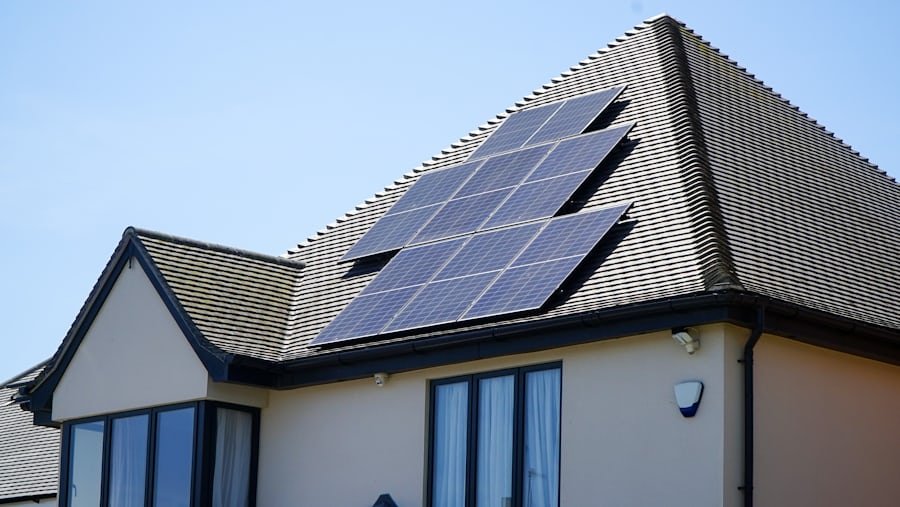
Oman gets some of the highest solar radiation on Earth — yet most rooftops in Muscat and Salalah are still bare. That is changing fast. Grid-connected renewable energy in Oman jumped from 4.26% in 2024 to 9.46% in 2025, and the government now targets 30% of electricity from renewables by 2030. For homeowners and businesses, rooftop solar in Oman is no longer experimental — it is a proven way to cut electricity bills and carbon. This guide covers 2026 costs, APSR approval, and how to get started.
Key fact: Oman reached roughly 1.6 GW of installed solar by the end of 2025, becoming the region’s fifth gigawatt-scale solar market.
Why rooftop solar makes sense in Oman
Oman averages more than 300 sunny days a year. That means a rooftop system here produces more energy per panel than the same system in Europe. Three forces are now pushing adoption:
- Rising demand and tariff reform. As subsidies are gradually restructured, self-generated solar power protects you from future price rises.
- Vision 2040 targets. National policy actively encourages distributed solar to hit the 30%-by-2030 goal.
- Carbon pressure on exporters. Factories selling to the EU face new carbon border taxes, making on-site solar a commercial necessity.
What does rooftop solar cost in Oman in 2026?
Pricing depends on system size (measured in kilowatt-peak, or kWp), roof type, and whether you need battery storage. As a planning guide:
| System size | Typical use | Approx. annual output |
|---|---|---|
| 5 kWp | Medium villa | ~9,000 kWh |
| 10 kWp | Large villa | ~18,000 kWh |
| 100 kWp | Small factory / warehouse | ~180,000 kWh |
| 500 kWp+ | Large industrial site | ~900,000 kWh |
Exact pricing in Omani Rial depends on your site survey. Contact Al Mukhtar United for a free, no-obligation quote tailored to your roof and consumption. A well-designed commercial system can supply about 40% of the power needs of a 24-hour industrial facility, and up to 60% for daytime-only operations.
How solar approval works in Oman (APSR steps)
Every grid-connected rooftop system in Oman must be approved before it can switch on. The process runs through your distribution company (DSO), is regulated by the Authority for Public Services Regulation (APSR), and follows three stages:
- Initial enquiry — you (or your contractor) apply with basic site and load details.
- Design approval — the DSO reviews your system design against APSR technical rules.
- Commissioning — after installation, the system is inspected and connected, with a Main Meter and a PV Meter fitted from the DSO’s approved list.
Working with an experienced electrical contractor makes this smooth — the paperwork and technical compliance are where most DIY applications stall.
Homes vs businesses: which benefits more?
Both benefit, but the economics differ. Homes gain steady bill reduction and property value. Businesses gain far more, because their daytime consumption matches solar output almost perfectly, and because carbon reduction now carries export-market value. For factories and warehouses, rooftop solar is one of the fastest-payback upgrades available in Oman today.
Frequently Asked Questions
How much does rooftop solar cost in Oman?
Cost depends on system size, roof type, and whether you add batteries. A small residential system starts modestly, while commercial systems scale with capacity. Because Omani tariffs and site conditions vary, the accurate way to price a system is a site survey. Al Mukhtar United provides free quotes for homes and businesses across Oman.
Is rooftop solar legal in Oman?
Yes. Rooftop solar is fully legal and regulated by the APSR. Every grid-connected system must be approved through your distribution company and fitted with approved meters before connection.
How long does solar approval take in Oman?
Approval runs through three APSR stages — initial enquiry, design approval, and commissioning. Timelines vary by distribution company and system size, but a professional contractor who prepares compliant documentation significantly shortens the process.
How many sunny days does Oman get for solar?
Oman enjoys over 300 sunny days per year and some of the world’s highest solar irradiance. This means rooftop panels here generate more electricity than identical systems in most of Europe.
Do I need special meters for rooftop solar in Oman?
Yes. Grid-connected systems require a Main Meter and a separate PV Meter, both from the distribution company’s approved list, installed during commissioning.
Ready to go solar?
Rooftop solar in Oman cuts bills, supports Vision 2040, and — for exporters — protects against carbon border taxes. The key is a correctly sized, APSR-compliant system installed by a licensed contractor. Contact Al Mukhtar United today for a free rooftop solar assessment, or explore our solar energy services.
Curious exactly how your Nama bill is calculated before you size a system? Read our NAMA electricity tariff guide.